Skip to content
Tree stumps aren’t just unsightly—they can make mowing difficult, attract pests, and create tripping hazards. Selecting the right tree stump removal equipment ensures the job is done efficiently, safely, and for the long term, whether you’re tackling a small stump or a large, stubborn one.
In this guide, we’ll walk you through your options and give you the confidence to tackle your yard, transform your space, and enjoy a safer, more beautiful landscape.
Why Tree Stump Removal Matters
Leaving stumps in your yard can lead to problems beyond aesthetics. Removing them improves both safety and functionality, helping your landscape look its best while preventing damage to your property.

Risks of Leaving Stumps in Your Yard
Tree stumps can attract pests such as termites, ants, and rodents, which may invade your home. They also create tripping hazards for family and guests, making your yard less safe. Considering stump removal services ensures these risks are minimized.
Benefits of Proper Stump Removal
Removing tree stumps not only enhances the visual appeal of your yard but also provides important benefits like:
- Eliminating tripping hazards
- Reducing pest infestations
- Preventing unwanted sprouts or regrowth
Opting for professional stump grinding guarantees a thorough removal process, leaving your yard safe and ready for landscaping or other projects.
Types of Tree Stump Removal Equipment
Choosing the right tree stump removal equipment can make all the difference in how quickly and effectively you clear your yard. The best option depends on the size of the stump, your comfort with physical labor, and whether you want to tackle the job yourself or hire a professional.
Manual Tools
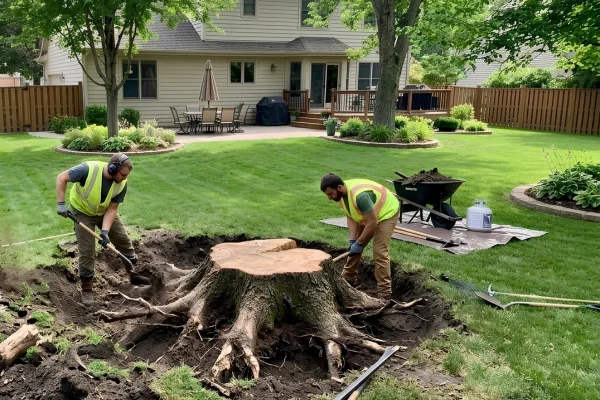
Hand tools such as shovels, axes, mattocks, and digging bars are effective for smaller stumps. They allow you to dig, chop, and pry the stump from the ground. For homeowners learning how to remove a tree stump, manual tools save money and provide a sense of accomplishment.
Power Tools and Stump Grinders
For larger stumps, power tools like stump grinders make removing them faster and more efficient. Stump grinders can grind stumps below ground level, leaving your yard ready for landscaping. Always wear protective gear when using power equipment to ensure safety.
Chemical Stump Removal Products
If you’re looking for a less labor-intensive method, chemical stump removal products can be an effective solution. Drill holes into the stump, apply the chemical, and let it work for weeks or months. This approach reduces physical labor but requires careful handling to protect surrounding plants.
Eco-Friendly or Natural Stump Removal Options
While chemical solutions offer convenience, eco-friendly and natural stump removal options provide a sustainable alternative that benefits the environment. Natural removal methods include boiling water, vinegar, or salt to dry out the stump. Covering the stump with a tarp can promote decomposition. These approaches are safer for nearby wildlife but take longer to achieve results.
Choosing the Right Equipment for the Job
With so many tree stump removal options available, selecting the right tools and method can feel overwhelming. Focusing on your yard’s specific needs and your comfort level makes the process more manageable, safer, and efficient, whether it’s a small project or a larger residential stump removal job.
Small vs. Large Stumps — What Works Best
How do you determine the best approach for removing tree stumps?:
- Small stumps: Hand tools or a compact stump grinder work well.
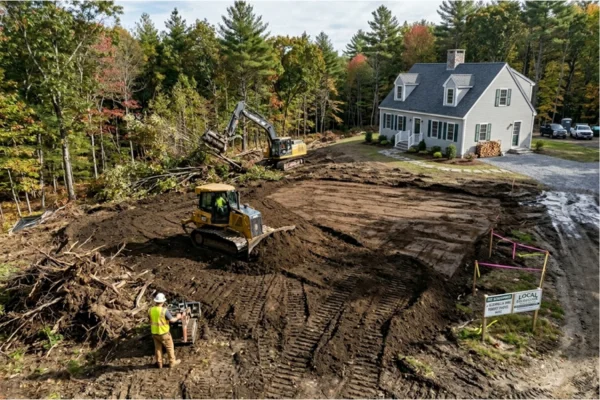
- Large stumps: Heavy-duty stump grinders or machinery like a backhoe are often required.
Assess size and location carefully to ensure efficiency and safety.
Cost Considerations: Renting vs. Buying Equipment
Deciding whether to rent or buy tree stump removal equipment hinges on your specific needs and budget. Factors you should consider:
- Frequency of use: Rare projects are better suited to renting.
- Type of stumps: Large or tough stumps may justify purchasing equipment.
- Storage space: Renting avoids cluttering your garage with bulky tools.
Safety Precautions Every Homeowner Should Follow
While choosing the right supplies for stump removal, prioritize safety by wearing gloves, goggles, and sturdy boots. Clear the area of obstacles and keep children and pets away. Familiarize yourself with each tool’s instructions and never rush the process.
DIY Stump Removal vs. Professional Services
Deciding whether to handle stump removal yourself or call in a professional depends on the size of the job, your experience, and the tools you have at hand. Exploring both options helps you weigh the benefits, potential challenges, and safety considerations, so you can select the approach that works best for your yard and your schedule.
Advantages of DIY stump removal
If you’re considering tackling stump removal on your own, you’ll find several advantages that make DIY an appealing option.
- Cost savings: Avoid professional fees.
- Flexibility: Work at your own pace.
- Satisfaction: Gain pride from completing the task yourself.
Challenges and risks homeowners often face
Taking on stump removal yourself can be rewarding, but it also comes with its fair share of challenges and risks. Improper techniques may leave roots behind or damage surrounding landscaping. Assess your skills and the project’s complexity before diving in.
When to call a professional for stump removal
How do you know when it’s time to call a professional for stump removal? If you face any of these situations, it’s best to get expert help:
- The stump is too large or deep to remove safely
- You lack the appropriate equipment or experience
- Utility lines or structures are nearby
Professional services ensure safety, efficiency, and a clean finish.
Preparing Your Yard for Stump Removal

Taking a few preparatory steps before starting stump removal can make the process smoother, safer, and less stressful. By organizing your workspace, protecting plants, and checking for hidden obstacles, you set yourself up for a successful removal while keeping your yard intact and looking its best.
Clearing the Area and Checking for Utilities
When you’re ready to remove a tree stump, clear the surrounding area and check for utilities:
- Remove rocks, branches, and debris
- Contact local utility companies to locate underground lines
- Mark the work area for organization and safety
Protecting the Surrounding Landscaping
Once you’ve cleared the area, it’s time to focus on protecting your surrounding landscaping:
- Cover plants with tarps or burlap
- Fence off delicate areas
- Keep tools and machinery away from flower beds
These steps prevent accidental damage and make cleanup easier.
Conclusion
Armed with the right tree stump removal equipment and knowledge, you can reclaim your yard safely and efficiently. Whether you tackle the job yourself or hire stump removal services, proper planning, safety precautions, and preparation ensure a yard that’s functional, safe, and inviting.
For South Shore homeowners, we’re here to help—serving the area with professional stump removal. Get a free estimate today.
Frequently Asked Questions
1. How long does the stump removal process typically take?
The stump removal process can range from a few hours to a full day, depending on the size of the stump and the method you use. Using a stump grinder is usually faster, while manual digging takes more time. Soil conditions, root depth, and accessibility also affect the timeline.
2. Can I plant new trees after stump removal?
Yes, new trees can be planted after stump removal, but it’s best to wait a few months to allow the soil to settle. Remove all remaining roots and debris to create a healthy planting area. Testing the soil and adding nutrients if needed will help your new tree thrive. Once the site is prepared, you can confidently plant your new tree.
3. What safety gear should I wear during stump removal?
Wear safety goggles to protect your eyes from flying debris, thick gloves to shield your hands, and steel-toed boots for foot protection. A hard hat can guard against falling branches, and ear protection is recommended if using loud equipment. Finally, a dust mask helps prevent inhalation of wood particles.
4. Are there any environmental concerns with stump removal?
Yes, removing a stump can impact the local environment. It may disturb soil health, nearby plants, and cause erosion. Stumps often host insects or wildlife, so removal can disrupt these habitats. Consider the benefits versus potential environmental harm before proceeding, and explore eco-friendly alternatives, like leaving the stump to decompose naturally over time.
5. How deep do tree roots typically go?
Tree roots generally extend 18 to 24 inches deep, but some species, such as oaks, can reach 36 inches or more. Roots may also spread widely, potentially affecting nearby structures or plants. Understanding root depth is important when planning landscaping or construction. Always check the specific tree species for accurate information on root growth and distribution.