Skip to content
It often starts with a simple repair, but when mortar is mixed incorrectly, the results can quickly fall apart. Weak mortar can lead to cracks, loose bricks, and repairs that do not last. Learning how to mix masonry mortar properly helps you avoid these problems and build something that holds up over time. With the right approach, you can achieve a strong and reliable bond. This guide covers mortar types, mixing steps, helpful tips, and when to call a professional. Let’s take a deeper dive now!
What Is Masonry Mortar and Why Does the Mix Matter?
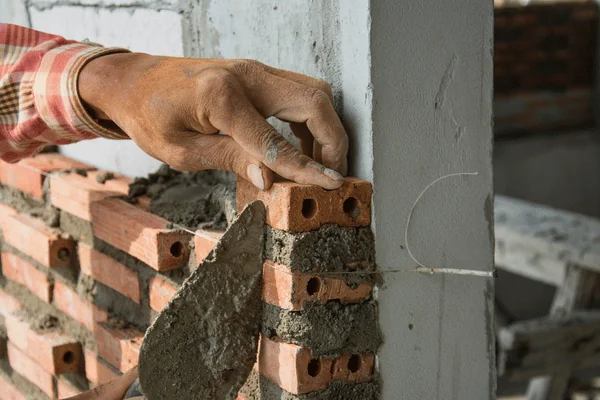
Masonry mortar is a simple mixture of cement, sand, and water, sometimes combined with lime. It acts as the bonding material that holds bricks or stones together. Even though it seems basic, the mix plays a critical role in strength and durability.
If the ratio is off, the mortar may crack, weaken, or allow moisture to pass through. This can affect both appearance and performance over time. Many people confuse mortar with concrete, but they are not the same. Concrete is used for structural support, while mortar is designed to bond materials together. Using the right mix ensures better results and longer-lasting work for the patio or walkway.
Understanding Mortar Types and Why Type S Is the Gold Standard
When learning how to mix masonry mortar, understanding mortar types helps you choose the right mix for strength, durability, and proper application in different masonry projects.
- Type S masonry mortar mix is known for its strength and strong bonding ability. It is often used in areas that require extra durability.
- Type N is a balanced option that works well for general projects and is easier to handle.
- Type M is a stronger mix used for heavy-duty applications where higher strength is needed.
- Type O is a softer mix used for lighter work and restoration projects.
Each type serves a different purpose, so selecting the correct one is important before mixing.
Which Mortar Type Should I Use for My Project?
For general use, Type N is a practical and common choice. If your project requires more strength, Type S masonry mortar mix is often preferred. Heavier applications may call for Type M, while lighter or repair work is suited for Type O.
Tools and Materials You’ll Need Before You Start
Having the right tools and materials ready makes the process smoother and more efficient. Preparation helps avoid delays and ensures consistent results.
You will need mortar mix, clean water, and a mixing container. Tools such as a trowel, mixing paddle, and bucket help maintain accuracy. Pre-blended products like spec mix masonry mortar are also available, offering convenience and consistent proportions.
Safety First – What You Need to Know Before Mixing
Safety should always come first when working with mortar. Wet cement can irritate the skin, so protective gloves are essential. Wearing eye protection and a dust mask also helps reduce exposure to dust and splashes during mixing.
How to Mix Masonry Mortar Step by Step
A clear process on how to mix masonry mortar properly ensures consistency and strength. Following simple, structured steps helps you avoid common mistakes and achieve a reliable mix for your project.
Step One – Measure the Ingredients
Start by measuring all materials carefully. Using the same container for each part helps maintain consistency. Pre-mixed options simplify this process by providing the correct proportions. Always measure on a clean surface.
Step Two – Dry Mix the Materials
Combine all dry ingredients thoroughly before adding water. Mix until the color is even and no dry patches remain. This step ensures the components are evenly distributed.
Step Three – Add Water Gradually
Add water slowly in small amounts. This allows better control over the mixture and helps prevent it from becoming too wet. It is easier to adjust by adding water than to fix an overly wet mix.
Step Four – Mix to the Right Consistency
The mixture should be smooth and workable, holding its shape without being too stiff. Let it rest briefly, then mix again to improve consistency and usability.
Step Five – Test the Mortar
Before use, check the mixture. It should hold together well and stick to surfaces without crumbling or running. A simple test helps confirm it is ready for application.
Mixing Mortar for Brick – Ratios, Tips, and Common Adjustments
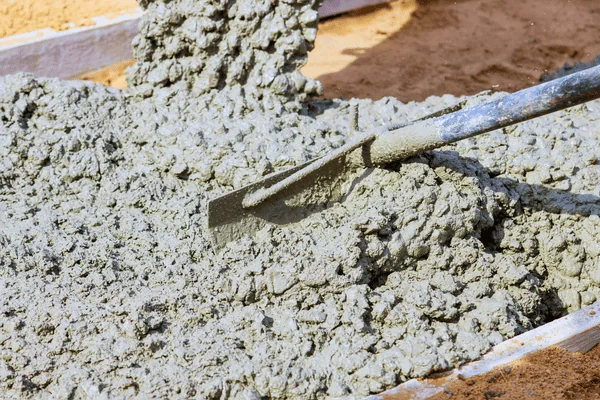
When learning how to mix mortar for brick, consistency is key. The balance of materials affects how well the mortar bonds and performs over time in load-bearing wall construction.
Brick condition also plays a role. Dry bricks can absorb moisture from the mortar, weakening the bond. Lightly dampening them can help improve adhesion. Weather conditions may also require small adjustments to maintain the right consistency during mixing.
Pre-Mixed Options – Is SPEC MIX Masonry Mortar Worth It?
Pre-mixed mortar products offer convenience and consistency. Spec mix masonry mortar is widely used because it removes the need to measure individual components.
These products are useful for smaller projects or for those who prefer a simpler process. They help reduce errors and save time. However, for larger projects, mixing from raw materials may provide more flexibility and potential cost savings. Choosing the right option depends on your project needs.
Common Mistakes That Ruin Your Mortar and How to Avoid Them
When learning how to mix mortar for brick, avoiding common mistakes is essential to ensure strong bonding, proper consistency, and long-lasting results in any masonry project. Such mistakes during mixing can affect the final result. Adding too much water weakens the mixture, while too little makes it difficult to work with.
Using dirty water or poor materials can also impact performance. Mixing under extreme conditions without adjustments may lead to cracking or poor bonding. Another common mistake is choosing the wrong mortar type for the job. Avoiding these issues helps ensure better durability and results.
Pro Tips for Longer Lasting Mortar Joints
Lightly dampen surfaces before applying mortar to improve bonding. Keep joints consistent in size for better strength. In warm conditions, prevent the mortar from drying too quickly by lightly misting the area. Protect fresh mortar from extreme conditions to allow proper curing.
When DIY Is Not Enough – Knowing When to Call a Masonry Professional
When learning how to mix masonry mortar, applying proper placement techniques is just as important as the mix itself for achieving strong, lasting results.
Lightly dampen surfaces before applying mortar to improve bonding. Keep joints consistent in size for better strength. In warm conditions, prevent the mortar from drying too quickly by lightly misting the area. Protect fresh mortar from extreme conditions to allow proper curing.
Frequently Asked Questions About Mixing Masonry Mortar
1. What is the correct water to mortar mix ratio?
Water should be added gradually until the mixture becomes smooth and workable. The goal is to achieve a consistency that holds together without becoming too wet or too dry.
2. What is the difference between Type S and Type N masonry mortar?
Type S offers higher strength and is used for more demanding applications, while Type N is easier to work with and suitable for general use.
3. How long does mixed mortar last before it goes off?
Mixed mortar remains usable for a limited time. It should be used while still workable and discarded once it begins to harden or lose consistency.
4. Can I use regular concrete mix instead of mortar?
Concrete is not designed to bond bricks. Mortar has specific properties that make it suitable for masonry work, so it should be used instead of concrete for bonding.
5. How do I know if my mortar mix has the right consistency?
A proper mix should be smooth, hold its shape, and stick well to surfaces. If it crumbles or spreads too easily, adjustments are needed before use.
Final Thoughts on Masonry Mortar Mixes
Mixing masonry mortar correctly is essential for achieving strong and lasting results. By understanding the right materials, following proper steps, and avoiding common mistakes, you can improve your project’s outcome. Whether using pre-mixed products or mixing from scratch, preparation and attention to detail make a difference. Taking the time to get the mix right helps ensure durability and reduces the need for future repairs.