Skip to content

When it comes to protecting your home from water damage, grading and drainage are two of the most overlooked yet crucial components. Many homeowners don’t realize their property’s slope significantly prevents foundation issues, basement leaks, and landscape deterioration. If water isn’t properly directed away from your home, it can quickly cause expensive structural problems.
This guide is designed to help you understand the basics of land grading and drainage, spot common red flags, explore practical solutions, and estimate costs.
Whether you’re a new homeowner or tackling a long-standing issue, this article walks you through the process in plain, professional terms, just like a trusted grading contractor would. From choosing the correct drainage fix to hiring a qualified expert, it’s all here.
Proper land grading and drainage are vital for protecting your home. Residential land maintenance often includes landscape grading and drainage to prevent water buildup. Yard grading
cost varies based on property size. Professional land grading and drainage services ensure long-term stability and protect your investment from erosion and water damage.
Let’s break down what good drainage looks like, why it matters, and what steps you can take to keep your property dry, safe, and structurally sound for years to come.
Why Proper Grading and Drainage Is Essential for Your Property
A well-graded yard with proper drainage is critical for maintaining a safe and stable home environment. Here’s why getting your grading and drainage right is more than just a landscaping upgrade, it’s a long-term investment.
Preventing Water Damage and Foundation Issues
Water pooling around your foundation can lead to severe damage over time. When the ground around your home is not properly sloped away, rainwater or melting snow will settle against the base of your house, increasing the risk of cracks, leaks, and basement flooding.
With strategic land grading and drainage, water is channeled away from your foundation, reducing hydrostatic pressure and keeping your structure dry and secure.
Improving Lawn Health and Landscape Stability
Excess water can suffocate your lawn, damage plant roots, and erode soil. Standing water can also lead to mosquito breeding grounds and mold growth.
Effective grading and drainage ensure your yard has proper runoff paths, helping to maintain healthy turf and avoid soggy, unusable outdoor spaces. Well-graded yards also reduce the risk of washed-out mulch, topsoil, or garden beds after a storm.
Long-Term Benefits of Landscape Grading and Drainage
Investing in the right grading and drainage strategy protects your property value and prevents costly repairs in the future. It also improves overall yard usability and makes your landscape more visually appealing.
With effective water management in place, you’ll spend less on maintenance and more time enjoying your outdoor space without worrying about what the next rainstorm might bring.
Signs Your Yard Has Drainage Problems
Drainage issues often go unnoticed until damage becomes visible. Catching early warning signs is key to preventing long-term problems. Here are the most common indicators of poor land grading and drainage.
Pooling Water, Soggy Lawns, and Erosion
If water consistently collects in certain areas of your yard or lawn remains soggy long after it rains, your grading likely needs attention. Erosion is another red flag, when soil washes away near walkways, patios, or garden beds, water isn’t properly diverted. These signs suggest your property’s grading and drainage system isn’t malfunctioning.
Cracked Foundation or Basement Leaks
Cracks in foundation walls, damp basement floors, or a musty smell downstairs are common symptoms of poor drainage. Water infiltration due to improper land grading and drainage allows moisture to seep through foundation walls or under slabs, especially during heavy rains. Addressing this early can prevent expensive foundation repairs and water damage remediation.
Indicators of Poor Land Grading and Drainage
Other signs include mildew on exterior walls, overflowing gutters, and visible dips or low spots in your yard. You may also notice excessive runoff near driveways or sidewalks. If rainwater isn’t flowing away from your house in a smooth, directed path, it’s time to consult a grading and drainage expert.
How Much Does Yard Grading for Drainage Cost?
Residential land maintenance often includes grading and drainage to prevent water issues. drainage cost varies by project size. Proper landscape grading and drainage ensure stability and curb appeal. Land grading and drainage improve runoff control, protecting foundations. Investing in quality solutions reduces long-term damage and enhances property value.
Understanding the costs involved in grading your yard can help you plan your project more effectively. Pricing can vary depending on property size, soil condition, and the type of drainage system needed.
Average Cost Range for Residential Grading Projects
On average, grading for drainage cost falls between $1,000 and $3,000 for standard residential lots. This includes labor, equipment, and materials. For larger or more complex properties, the price can exceed $5,000, especially if tree removal, retaining walls, or customized drainage systems are needed.
Factors That Affect Yard Grading Costs
Several variables can influence drainage cost. These include the slope of your land, soil type, existing landscaping, and whether excavation or fill dirt is required. Accessibility to equipment and the presence of utility lines can also impact labor time and total project cost. A professional estimate is essential to get an accurate quote.
Exploring Effective Grading and Drainage Solutions
Solving drainage problems requires the right mix of grading techniques and drainage structures. Below are some of the most effective grading tips and drainage solutions professionals use today.
French Drains, Swales, and Dry Creek Beds
French drains are underground trenches filled with gravel and perforated pipes that redirect water away from problem areas. Swales are shallow ditches that guide runoff naturally across your yard.
Dry creek beds offer a more decorative approach, using rocks and plants to direct water flow. Each method works best with proper grading and drainage around your home’s foundation and lawn.
Grading Techniques to Redirect Water Flow
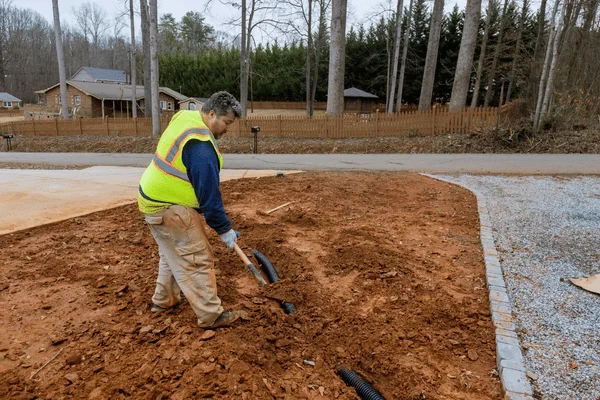
Proper grading involves adjusting the slope of your land so water flows away from your home. Most contractors recommend a minimum slope of 2% (or a 1/4 inch per foot) for the first 10 feet around your house.
Re-grading often includes adding or removing soil to eliminate low spots or reverse negative slopes. These land grading and drainage techniques are foundational to long-term yard health and structural safety.
Choosing the Right Contractor for Land Grading and Drainage

Effective grading and drainage are essential for healthy landscapes. Residential land maintenance includes land grading and drainage solutions that prevent soil erosion, pooling, and foundation issues. Homeowners should budget for yard grading costs when planning improvements. Proper landscape grading and drainage enhance property value and ensure long-term stability.
Hiring the right expert can make all the difference regarding effective and lasting results. Here’s how to choose a contractor you can trust for your grading and drainage project.
What to Look for in a Grading and Drainage Specialist
Experience matters. Look for contractors specializing in land grading and drainage, not just general landscaping. A reliable specialist will understand soil types, local regulations, and proper grading slopes. Check if they offer on-site evaluations, clear project plans, and detailed cost breakdowns to help you make informed decisions.
Questions to Ask During the Estimate Process
Ask how long the project will take, what drainage methods they recommend, and if they foresee any potential challenges.
Be sure to ask for a written estimate that outlines materials, timeline, and the full scope of work. This will help you avoid hidden costs and ensure that the yard grading for drainage cost aligns with your budget expectations.
Verifying Licensing, Insurance, and Previous Work
Always check that your contractor is licensed and insured. If possible, ask to see photos or visit past job sites. A reputable company will be happy to provide references and showcase its experience with grading and drainage projects similar to yours.
Final Thoughts About Residential Grading and Draining
Water issues in your yard aren’t just an inconvenience, they’re a signal that something deeper is wrong with your property’s slope or drainage system. By understanding the basics of grading and drainage, recognizing the warning signs, and exploring the right solutions, you’re already taking the first step toward protecting your home.
If you need professional help, don’t wait for the damage to worsen. The Masonry Contractors of South Shore, MA, team offers expert land grading and drainage services tailored to your property’s specific needs. With the right tools, experience, and local knowledge, we can help you fix existing problems and prevent new ones from forming.
Proper grading and drainage are essential for maintaining a healthy landscape. Yard grading for drainage cost can vary, but it’s an investment in long-term property value.
Effective landscape grading and drainage prevent water damage. Regular land grading and drainage are crucial for residential land maintenance, ensuring stability and curb appeal.
Ready to fix your yard’s drainage issues? Contact our expert grading team in South Shore today for a free grading and drainage consultation!
FAQS
1. What is grading and drainage?
Grading and drainage involve reshaping the land around your home to direct water away from the foundation. This helps prevent water buildup, soil erosion, and structural damage. Drainage systems like French drains or swales are often added to manage runoff and protect your property from water-related issues long-term.
2. How do I know if my yard needs grading?
If your yard has standing water, muddy areas, erosion, or water pooling near the foundation after rain, it likely needs grading. Other warning signs include basement leaks, soggy lawns, and visible low spots. These issues suggest improper water flow that can damage both your landscape and home over time
3. Can I do landscape grading and drainage myself?
Basic surface grading might be manageable as a DIY project, but most grading and drainage work requires professional tools, experience, and permits. Mistakes can worsen water issues or cause structural damage, so hiring an expert ensures the job is done correctly and complies with local building regulations.
4. What affects yard grading for drainage costs the most?
The most significant cost factors include property size, existing slope, soil type, and the drainage method chosen. Labor, equipment access, and additional services like tree removal or retaining walls also impact the final price. Always get multiple estimates to understand what’s included in your yard grading for drainage costs.
5. How long do land grading and drainage work take?
Most land grading and drainage jobs for residential properties take one to three days. The timeline depends on project complexity, weather conditions, and site access. Larger or more detailed projects, such as those requiring excavation or multiple drainage systems, may take longer due to added materials and labor.